


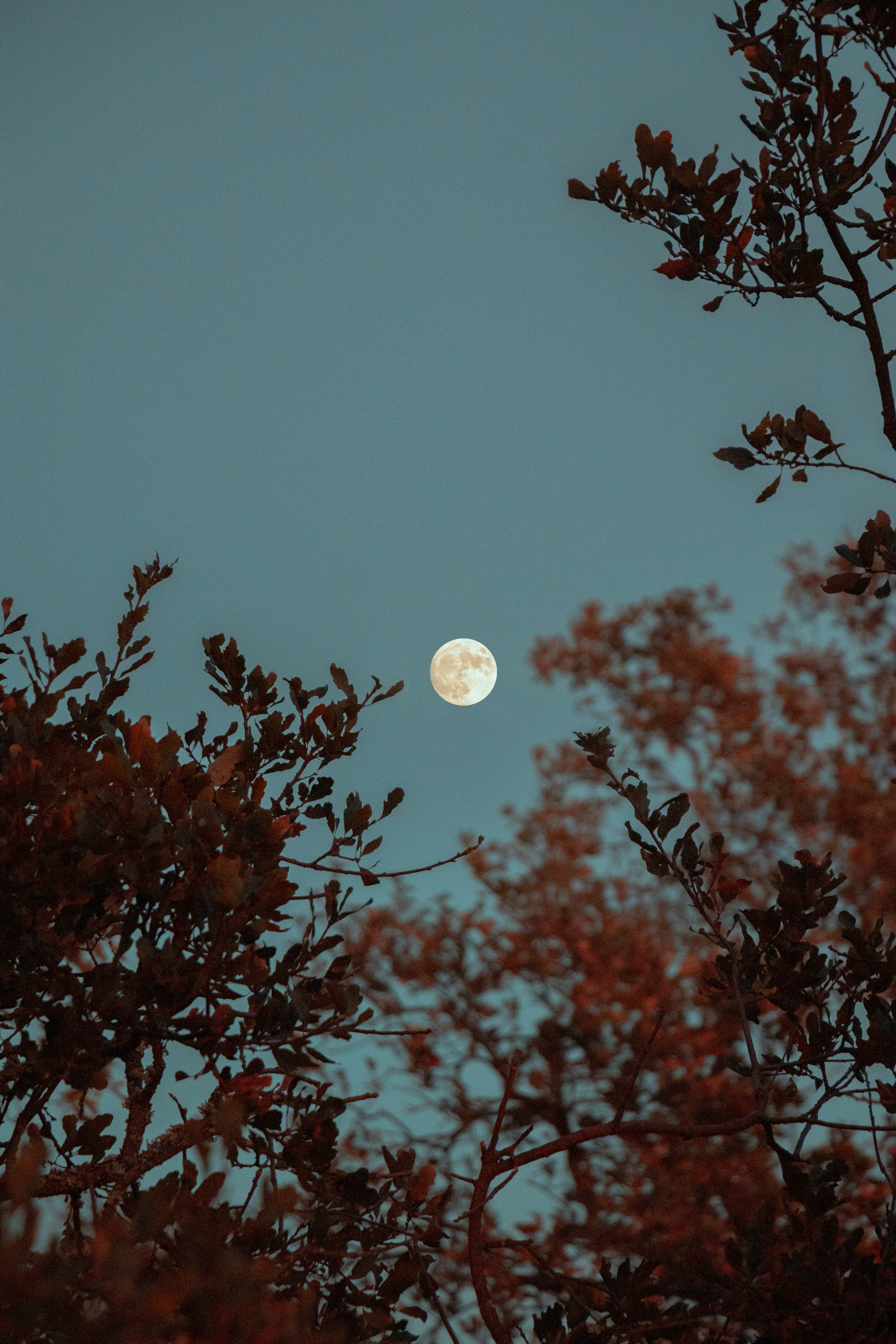
The full moon is often described as a time to release, let go, or have a breakthrough.
That framing creates unnecessary pressure.
A more accurate—and far more useful—way to work with the full moon is this:
The full moon shows you what’s already true.
Your job is not to act dramatically.
Your job is to notice clearly.
What the full moon actually does
The full moon brings things into visibility.
Emotions feel closer to the surface.
Conversations carry more charge.
Patterns you’ve been tolerating quietly feel harder to ignore.
This isn’t because the moon is “making” anything happen.
It’s because illumination removes ambiguity.
The full moon doesn’t demand change.
It offers information.
What not to do during a full moon
Let’s clear this first.
You don’t need to:
cut ties impulsively
purge your life
make declarations
fix anything immediately
interpret every feeling as a sign
Urgency is not wisdom.
The full moon often exaggerates contrast so you can see, not so you can react.
A grounded way to work with the full moon
Instead of asking, “What should I release?”
Try asking questions that support clarity.
Start here:
What feels impossible to ignore right now?
What truth is visible that wasn’t clear two weeks ago?
What feels complete, or complete enough?
Where am I pretending not to know something?
These questions invite honesty without forcing action.
(And understanding how to work with the moon creates opportunity for ease, clarity, and renewed sense of self-trust.)
The full moon and decision-making
One of the most useful roles the full moon plays is in decision-making.
Not deciding what to do, but deciding:
what deserves your attention
what is asking to be acknowledged
what is no longer sustainable as-is
The full moon often marks:
the emotional midpoint of a process
a moment of reckoning
a truth that wants naming, not fixing
You can acknowledge something without resolving it.
That restraint builds trust with yourself.
A simple full moon practice (10 minutes)
You don’t need ritual. You need containment.
Try this:
Sit somewhere quiet.
Write the sentence:
“What is most visible to me right now is…”Write without editing for 5 minutes.
Stop.
Do not interpret.
Do not plan.
Do not share.
Let the information settle.
Clarity often arrives after you stop pressing for it.
How this supports writing and creative work
For writers and creatives, the full moon often reveals:
where a piece is emotionally alive
where something is complete
where a truth wants articulation
where you’re overworking something that’s already said enough
This is a powerful moment for:
revision, not drafting
naming themes
recognizing what the work already knows
The full moon doesn’t ask for more words.
It asks for honest ones.
A note on timing
You don’t have to work on the exact night of the full moon.
The window is gentle:
a day before
the day of
a day or two after
What matters is not precision.
It’s attention.
The quiet gift of the full moon
When approached practically, the full moon helps you:
stop gaslighting yourself
trust what’s already evident
name what has reached capacity
let clarity arrive without force
That’s not dramatic.
It’s steady.
It’s ethical.
It’s deeply supportive of real life.
If you’re building a practice with the moon
The Nocturne offers monthly lunar reflections designed to support intuition, emotional clarity, and real-life decision-making, especially for writers and creatives who work best in rhythm rather than urgency.
Each entry focuses on:
what the current moon tends to illuminate
what not to over-interpret
one small, grounded reflection
No pressure.
No performance.
Just attention, over time.
How to Work With the Moon (Without Losing Your Mind)
– How to Work With the Full Moon (Practically) Hint: This is the page you’re already on.
– How to Work With the New Moon (Practically)